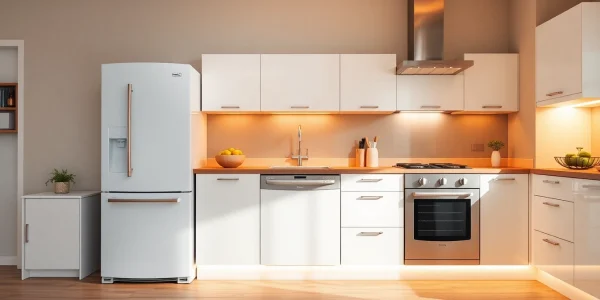

Understanding Quality Vinyl Flooring
What Is Vinyl Flooring?
Vinyl flooring is a synthetic flooring material composed primarily of polyvinyl chloride (PVC). Often likened to linoleum, it is produced in sheets or planks, and comes in a variety of styles, colors, and patterns. This flooring option is favored for its resilience and versatility, suitable for almost any room in a home, from kitchens to living areas. One of the leading advantages is the practicality and durability it offers, making it a top choice among homeowners seeking economical yet stylish flooring solutions.
Benefits of Quality Vinyl Flooring
Choosing quality vinyl flooring brings numerous advantages that cater to both aesthetic preferences and functionality. These benefits include:
- Durability: Quality vinyl is resistant to scratches, scuffs, and dents. This feature is particularly beneficial in high-traffic areas.
- Water Resistance: Most vinyl flooring options can withstand water, making them ideal for bathrooms, kitchens, and laundry rooms.
- Easy to Clean: Maintenance is straightforward as vinyl floors typically require minimal effort for cleaning. Regular sweeping and occasional mopping are usually sufficient.
- Comfort and Sound Absorption: Vinyl flooring is softer underfoot than many hard surfaces, making it comfortable for standing for long periods. It also absorbs sound well, contributing to a quieter home environment.
- Variety: This flooring material is available in a wide range of styles, patterns, and colors, allowing homeowners to match their personal decor style with ease.
Common Myths About Vinyl Flooring
Despite its popularity, there are several misconceptions regarding vinyl flooring. Understanding the truth behind these myths can help homeowners make informed decisions:
- Myth 1: Vinyl flooring is low quality.
In reality, quality vinyl flooring options are built to last with advanced technology that enhances resilience and style. - Myth 2: All vinyl flooring is the same.
There are significant differences between luxury vinyl tile (LVT) and standard vinyl, impacting performance and aesthetics. - Myth 3: Vinyl flooring is not environmentally friendly.
Many manufacturers are producing eco-conscious vinyl options, focusing on sustainability throughout the manufacturing process. - Myth 4: Installation is overly complicated.
Many vinyl flooring styles are designed for easy DIY installation, offering detailed guides and instructional videos.
Choosing the Right Type of Vinyl Flooring
Luxury Vinyl vs. Standard Vinyl Flooring
When considering vinyl flooring, it’s crucial to differentiate between luxury vinyl and standard vinyl. Luxury vinyl flooring (LVF) often features an enhanced aesthetic appeal with textures that mimic natural materials like wood and stone. It generally has a thicker wear layer, making it more durable.
Standard vinyl flooring, while still a reliable choice, may not have the same level of design detail or durability. Therefore, evaluating your space, traffic patterns, and design preferences is essential when selecting the right type.
Different Styles and Patterns Available
The versatility of vinyl allows for various styles and patterns. Homeowners can choose from an array of options such as:
- Wood-Look Vinyl: This popular choice offers the appearance of solid hardwood without the high maintenance.
- Stone-Look Vinyl: Resembles natural stones like slate or granite, providing a sophisticated look.
- Colorful and Patterned Vinyl: Vibrant patterns can add character, making it suitable for playrooms or creative spaces.
- Textured Vinyl: Options that have embossing mimic the texture of real materials for added realism.
How to Match Vinyl Flooring with Your Decor
Successfully integrating vinyl flooring with your existing decor involves understanding your color palette and design style. Here are key tips for achieving a harmonious look:
- Consider the Space: The flooring should complement the wall colors and furniture.
- Texture Matters: Think about the textures in your space; smooth vinyl might work better in modern settings, while textured options suit rustic styles.
- Keep it Cohesive: Maintain a consistent theme throughout your home to allow different rooms to flow together.
Installation Process of Quality Vinyl Flooring
Preparing Your Space for Installation
Before installing quality vinyl flooring, it’s essential to prepare the space adequately. Start by removing any existing flooring and ensuring the subfloor is clean and level. Any debris or uneven patches can affect the installation process and the final appearance. For optimal results, make sure the room is dry and climate-controlled to allow the vinyl to acclimate to the environment.
DIY Installation vs. Professional Help
Deciding between DIY installation and hiring professionals depends on your comfort level and experience with flooring projects. DIY installation can save money and can often be accomplished using peel-and-stick or click-lock vinyl options. However, if you’re uncertain about your abilities or have complex spaces, hiring professionals can ensure a flawless finish.
Essential Tools for Installation
If you opt for a DIY installation, having the right tools will make the process more manageable. Essential tools include:
- Utility knife for cutting vinyl.
- Measuring tape to ensure accuracy.
- Trowel for adhesive application if needed.
- Roller for securing the vinyl to the subfloor.
- Flooring spacers to allow for proper expansion and contraction in the planks.
Maintaining Quality Vinyl Flooring
Daily Care Tips for Longevity
To maximize the lifespan of your quality vinyl flooring, adhere to a regular cleaning routine. Simple daily cleaning methods include:
- Use a soft broom or vacuum without a beater bar to remove dirt and debris.
- Mop the floor with a damp cloth or microfiber pad using a gentle cleaner suitable for vinyl flooring.
- Place mats at entry points to reduce dirt and moisture tracked in from outside.
Dealing with Stains and Scuffs
Stains and scuffs can occur, but most can be addressed easily. For surface stains, a mixture of mild soap and water typically works. For tougher stains like ink or grease, consider using a specialized vinyl floor cleaner. Scuffs can often be removed using a soft cloth and a little elbow grease, or by using a rubber eraser.
When to Replace or Repair Your Flooring
Regular maintenance can extend the life of your vinyl flooring, but there are signs that indicate it may be time for a repair or replacement. If you notice deep scratches, rips, or extensive water damage, these issues can compromise the integrity of the flooring. For minor damages, repairs can be done, but for severe cases, total replacement may be necessary.
FAQs About Quality Vinyl Flooring
What is the lifespan of quality vinyl flooring?
Quality vinyl flooring can last anywhere from 10 to 20 years, depending on usage, maintenance, and quality of the material. Proper care can enhance its longevity.
Can I install vinyl flooring over existing floors?
Yes, you can install vinyl flooring over existing floors, provided they are dry, clean, and level. However, it may be best to remove uneven older flooring for an optimal result.
Is vinyl flooring waterproof?
Most quality vinyl flooring is water-resistant and some products are entirely waterproof, making them ideal for kitchens and bathrooms. Always check manufacturer specifications.
How do I clean quality vinyl flooring?
Cleaning quality vinyl flooring is simple. Regular sweeping and damp mopping with a mild cleaner are recommended. Avoid harsh chemicals that could dull the finish.
What is the cost of quality vinyl flooring per square foot?
The cost of quality vinyl flooring typically ranges from $2 to $7 per square foot, depending on quality and style, plus any additional costs for installation or underlayment.