Understanding Local Computer Recycling
In today’s technology-driven world, the constant upgrade of devices creates a significant challenge: e-waste. Many individuals and businesses upgrade or discard old computers without considering the environmental impacts. Local computer recycling serves as a responsible path to manage these outdated electronics, ensuring they are disposed of safely and sustainably.
What is Computer Recycling?
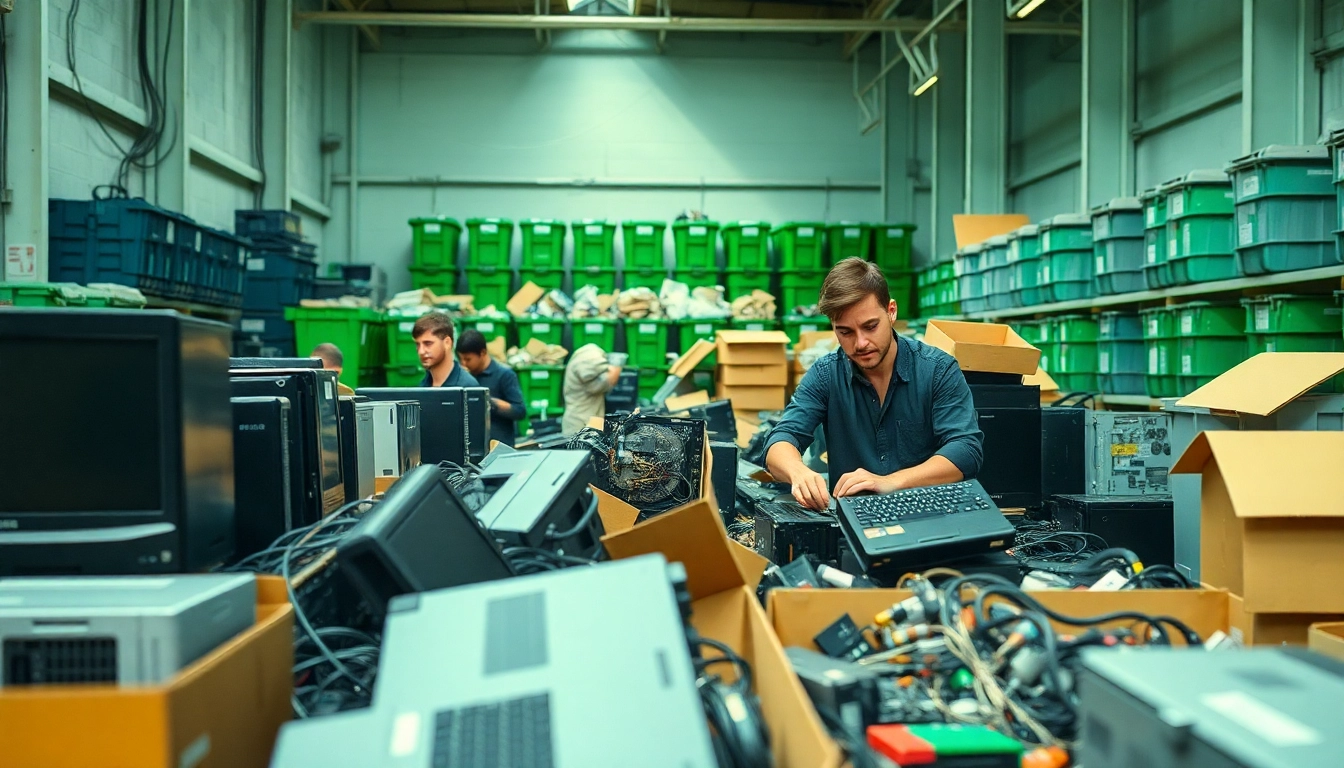
Computer recycling encompasses the process of reusing, recycling, or refurbishing electronic devices to prevent harmful e-waste pollution. This involves responsibly breaking down computers into their fundamental parts, which can be recycled or reused. It includes not only desktops and laptops but also peripheral devices like monitors, keyboards, and printers.
Importance of Local Computer Recycling
Local computer recycling is crucial for several reasons. Firstly, it significantly reduces harmful environmental impacts associated with improper e-waste disposal. Secondly, it promotes the responsible management of scarce resources found in electronic devices. Metals like gold, silver, and rare earth elements can be recovered from old equipment and reused in new products.
Types of E-Waste Eligible for Recycling
When considering local computer recycling, it’s essential to understand what types of e-waste can be recycled:
- Desktops and laptops
- Monitors and displays
- Printers and copiers
- Peripheral devices such as keyboards and mice
- Networking equipment, including routers and switches
Benefits of Local Computer Recycling
Environmental Advantages of Recycling Electronics
Recycling electronics reduces the volume of waste sent to landfills, conserving space and minimizing pollution. Improper disposal of e-waste can contaminate soil and water because harmful substances like lead and mercury may leach into the environment. By recycling, these materials can be safely managed, reducing the overall ecological footprint.
Boosting Local Economy Through Recycling
Local computer recycling initiatives create job opportunities and stimulate economic growth. By supporting local recyclers, communities can foster an industry that not only recycles materials but also encourages innovation in waste management and resource recovery. This holistic approach can lead to more sustainable local economies.
Reducing Landfill Contributions
Every year, millions of tons of e-waste end up in landfills where they contribute to environmental degradation. By recycling computers and other electronic devices, the amount of waste sent to landfills decreases significantly. This not only helps communities manage waste more effectively but also extends the lifecycle of valuable materials.
How to Find Local Computer Recycling Services
Researching Recycling Facilities
Finding reliable local computer recycling services often requires some research. Start by checking municipal websites or community boards to identify approved recycling facilities. Look for certifications that ensure these facilities adhere to environmental regulations.
Identifying Certified Recycler Programs
Many regions offer certification programs for recyclers that follow industry standards. Ensure that any recycling facility you consider has the appropriate certifications, such as R2 or e-Stewards, which indicate a commitment to responsible recycling practices.
Free and Paid Recycling Pickup Services
Local recycling options often vary in terms of services offered. Some facilities may provide free electronic waste drop-off, while others offer pickup services for a fee. Investigate all options available to you, including community recycling events that may provide free disposal opportunities.
Best Practices for Local Computer Recycling
Preparing Your Electronics for Recycling
Before recycling your electronics, make sure to prepare them adequately. Remove all personal items and data by backing up essential information and performing a factory reset whenever possible. This prevents unauthorized access to your data and ensures a smooth recycling process.
Data Security When Recycling Computers
Protecting your data is paramount when recycling computers. Use reputable data destruction software to wipe hard drives thoroughly. For additional security, consider physically destroying hard drives before recycling to guarantee that sensitive information cannot be retrieved.
Community Initiatives Supporting Recycling
Engagement in community recycling initiatives can strengthen local networks and promote awareness about the importance of electronic waste management. Consider joining local workshops or seminars to learn more about sustainable practices related to electronics recycling.
Frequently Asked Questions About Local Computer Recycling
What items can I recycle at local computer recycling centers?
Most centers accept various items including desktops, laptops, monitors, printers, and keyboards. Always consult local guidelines for specific acceptance criteria.
Are there any fees associated with local computer recycling?
While many facilities offer free recycling for common electronics, some may charge fees for specific items. Check local centers for their fee structure before recycling.
How do I ensure my data is secure before recycling?
To secure your data, use data destruction software to erase hard drives or remove them prior to recycling. This protects personal information effectively.
Can businesses participate in local computer recycling?
Yes, many recycling services are equipped to handle larger quantities of e-waste from businesses, offering bulk pickup and disposal solutions tailored to corporate needs.
How often should I recycle my old electronics?
It's advisable to recycle old electronics regularly—especially as technology advances. This keeps your home or workplace clutter-free and helps mitigate e-waste issues.