Understanding Central Heating Hidden Leaks
Central heating hidden leaks can be a silent menace in many homes, leading to significant issues if not addressed promptly. The complexities of heating systems mean that these leaks can remain undetected for considerable periods, resulting in increased bills, property damage, and potential health risks. Understanding what causes these hidden leaks, recognizing their signs, and knowing the subsequent consequences are vital steps every homeowner should take to safeguard their property. When exploring options, central heating hidden leak detection and repair services can provide comprehensive insights into the underlying issues.
What Causes Hidden Leaks in Central Heating Systems?
Hidden leaks in central heating systems can arise from several sources:
- Corroded Pipes: Over time, pipes can corrode due to exposure to water chemicals and fluctuating temperatures.
- Loose Connections: Fittings that are not properly secured can create small gaps where water can escape.
- Temperature Fluctuations: Rapid changes in temperature can cause materials to expand and contract, leading to potential leaks.
- Wear and Tear: Age-related degradation of piping and components can lead to failures and leaks.
Signs Indicating a Potential Hidden Leak
Being aware of the signs can help in early detection:
- Decreased Boiler Pressure: A drop in pressure may suggest a leak is present.
- Water Damage: Unexplained damp spots on walls or ceilings can signify a leak behind the surface.
- Increased Utility Bills: An unexpected spike in heating costs could indicate a hidden leak.
- Unusual Sounds: Listen for dripping or hissing noises that may point to escaping water or steam.
The Consequences of Ignoring Hidden Leaks
Unfortunately, neglecting leaks can result in:
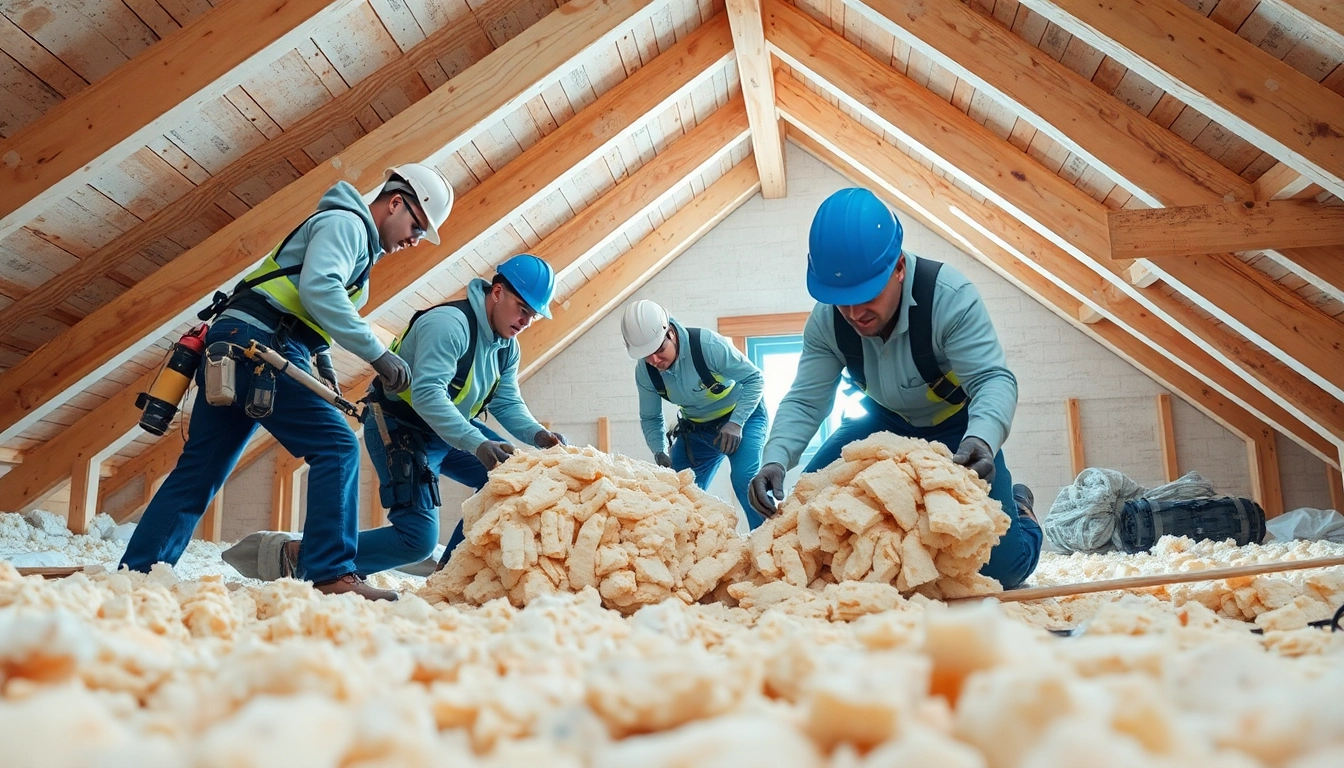
- Structural Damage: Prolonged exposure to moisture can weaken building materials, leading to expensive repairs.
- Mold Growth: Damp environments foster mold, which can pose serious health risks to occupants.
- Increased Energy Costs: Leaks can cause heating systems to work harder, which significantly raises energy expenses.
Effective Detection Techniques for Hidden Leaks
Modern technology offers several effective methods for detecting hidden leaks, allowing for non-invasive solutions.
Non-Invasive Methods for Leak Detection
Non-invasive techniques are ideal for homeowners who want to minimize damage during leak detection:
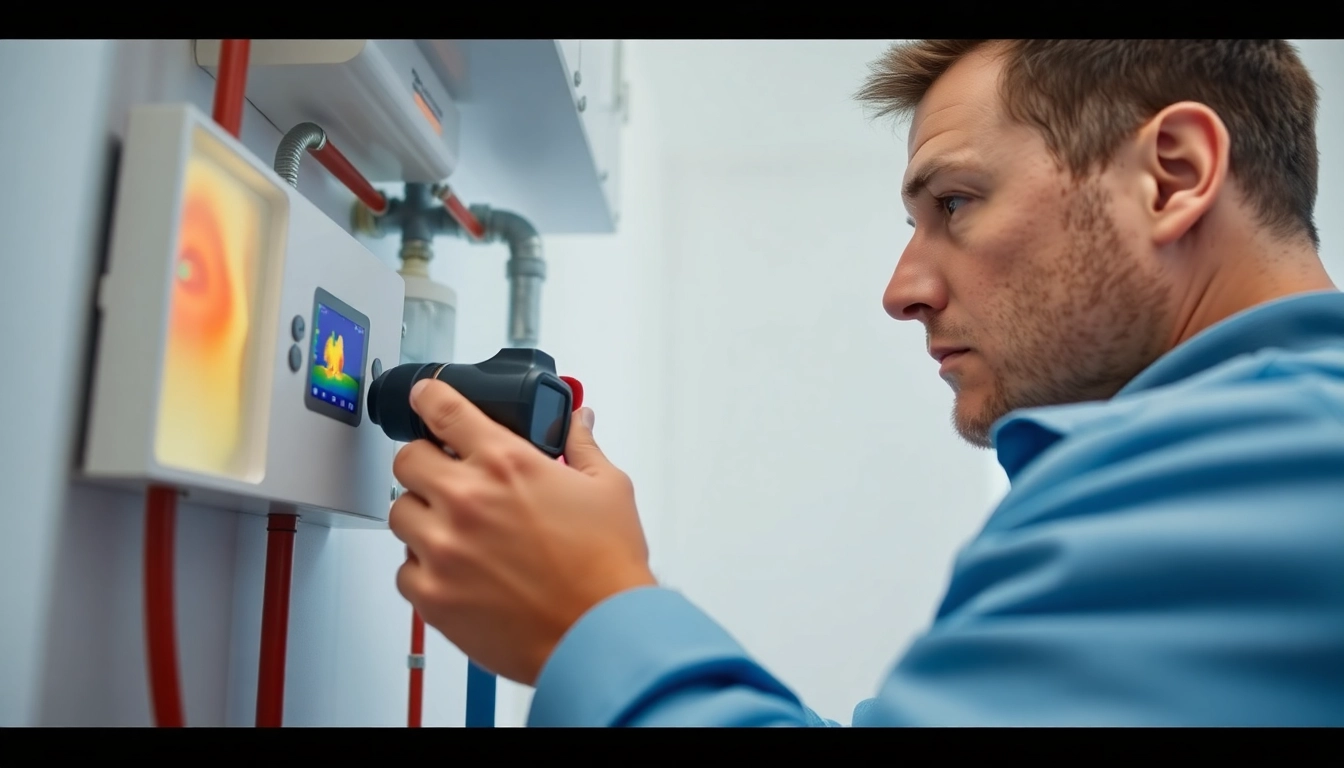
- Thermal Imaging: This technique utilizes infrared cameras to detect temperature variations caused by leaks, making it effective for identifying issues behind walls.
- Acoustic Listening Devices: These devices listen for the sound of leaking fluids, even in inaccessible areas.
- Moisture Mapping: This method helps visualize the extent of water damage and pinpoint areas of concern.
Technology-Driven Solutions: Tools and Techniques
Advanced tools play a crucial role in enhancing accuracy and efficiency:
- Pressure Testing: By monitoring pressure changes in isolated sections, technicians can confirm leak locations.
- Tracer Gas Detection: A safe, odorless gas is introduced into the pipework and traced to the point of escape, making it useful for detecting small leaks.
How Professionals Locate Hidden Leaks Accurately
Leak detection professionals employ a combination of methods tailored to the specific system in question, ensuring minimal disruption to your home while achieving accurate results. Understanding the nuances of each system allows them to diagnose issues efficiently and recommend the best course of action.
Solutions and Repairs for Central Heating Leaks
Upon identifying a leak, it’s essential to explore effective repair solutions.
Common Repair Options and Their Effectiveness
When addressing leaks, several repair methods might be suggested:
- Pipe Replacement: In cases of severe corrosion or damage, replacing the affected pipe may be necessary.
- Sealants: Leak sealants can be effective for small leaks, providing a quick fix that doesn’t require significant structural changes.
- Fitting Adjustments: Tightening or replacing loose fittings can also resolve leaks.
When to Call a Professional Leak Detection Service
Timing is critical. Homeowners should contact professionals when:
- Visible water damage is evident.
- Boiler pressure drops unexpectedly.
- Unusual heating bills arise without any change in usage.
DIY Tips for Managing Minor Heating Leaks
For minor leaks, you might consider these temporary fixes:
- Turn Off the System: Immediate action includes turning off the heating system to avoid further damage.
- Use Towels: Place towels to absorb excess water until professional help arrives.
- Monitoring: Keep an eye on pressure levels to assess leakage severity.
Preventing Hidden Leaks in Your Central Heating System
Taking proactive measures can save homeowners both money and stress in the long run.
Best Practices for Regular Maintenance
To prevent hidden leaks, consider implementing these maintenance practices:
- Routine Inspections: Regular checks by professionals can identify potential weak points before they turn into leaks.
- Flush the System: Flushing can remove debris and buildup that may contribute to corrosion and leaks.
Upgrading Your Heating System for Efficiency
Modernizing your heating system can significantly reduce the risk of leaks:
- Invest in Quality Materials: Using high-quality, corrosion-resistant materials can enhance system durability.
- Smart Thermostats: These help optimize heating cycles and can reduce stress on the system.
Signs that Indicate Maintenance is Needed
Watch for these signs as indicators that your system may require maintenance:
- Strange Noises: Unusual sounds from the boiler or radiators can indicate underlying problems.
- Unexplained Temperature Fluctuations: Inconsistent heating may suggest issues within the piping or boiler.
- Visible Damage: Cracks or water stains near heating equipment are warning signs of potential leaks.
Future Trends in Leak Detection Technology
The field of leak detection technology is continually evolving, paving the way for more advanced solutions.
Emerging Technologies for Enhanced Detection
Recent advancements include:
- AI and Machine Learning: These technologies promise enhanced predictive maintenance capabilities, allowing for proactive leak detection before they become critical.
- IoT Sensors: Smart sensors can monitor pressure and temperature in real-time, alerting homeowners to potential leaks immediately.
Predictions for Leak Detection in 2025 and Beyond
Experts anticipate significant advancements in both the tools and methodologies surrounding leak detection:
- Integration with Smart Home Systems: Future leak detection tools may seamlessly integrate into smart home frameworks, providing users with comprehensive monitoring solutions.
- Increased Focus on Sustainability: More eco-friendly approaches to leak detection may emerge, promoting sustainable water usage and conservation practices.
How Innovations Will Change the Industry
Innovative technologies are not only streamlining the detection process but also enhancing accuracy. As these trends continue to develop, consumers can expect improved customer service, faster resolution times, and ultimately, a more efficient heating experience in their homes.