Understanding Central Heating Leak Detection
Central heating systems are vital for maintaining comfort in homes, especially during the colder months. However, leaks within these systems can lead to significant issues, including soaring energy bills, water damage, and structural concerns. As a homeowner, understanding central heating leak detection is crucial for preserving the integrity of your heating system and preventing costly repairs. This article explores the signs of leaks, the technologies used for detection, and effective methods for resolving such issues.
What is Central Heating Leak Detection?
Central heating leak detection refers to the process of identifying and locating leaks in a central heating system. This encompasses a range of methodologies and technologies designed to detect water or gas leaks that may not be immediately visible. By identifying leaks early, homeowners can mitigate damage and maintain system efficiency, ensuring prolonged lifespan and optimal performance.
Common Signs of a Central Heating Leak
Recognizing the early indicators of a leak can save homeowners from extensive damage and costly repairs. Some common signs include:
- Water pooling: Visible water near the boiler or radiators often indicates a leak.
- Dropping pressure: A noticeable decrease in system pressure can suggest a leak somewhere in the system.
- Increased energy bills: Unexpected rises in heating costs may be due to a compromised system.
- Damp spots: Walls or ceilings exhibiting water stains can be a clear sign of leakage.
- Odd noises: Gurgling or hissing sounds from the heating system can highlight issues like trapped air or leaking water.
The Importance of Timely Leak Detection
Timely detection of leaks is essential to prevent severe consequences. Left unchecked, leaks can lead to:
- Structural damage: Water can compromise the integrity of walls, ceilings, and foundations.
- Mold growth: Dampness encourages mold, which poses health risks and requires costly remediation.
- Increased energy consumption: Leaks can force your heating system to work harder, resulting in higher utility bills.
- Equipment damage: Continuous leaks can lead to significant wear and tear on your heating system, requiring early replacement.
The Technology Behind Central Heating Leak Detection
Advancements in technology have revolutionized leak detection methods, enabling more accurate and efficient identification of leaks. Various innovative tools are used, catering to different types of heating systems and leak scenarios.
Innovative Tools Used in Leak Detection
Technicians employ an array of sophisticated tools for leak detection, including:
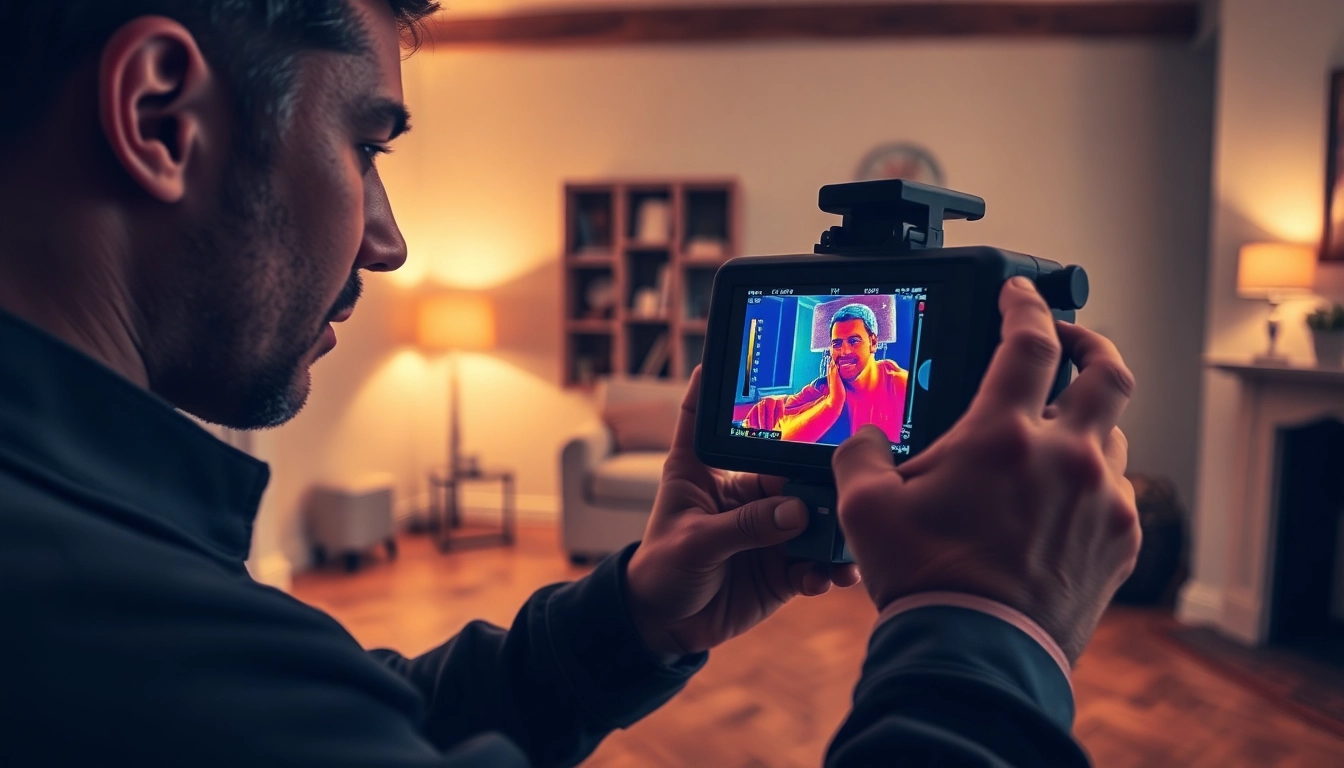
- Thermal imaging cameras: These cameras detect temperature variations caused by leaks, revealing hidden issues behind walls or under floors.
- Acoustic listening devices: These devices can identify the sound of water escaping from pipes, even in hard-to-reach areas.
- Moisture meters: These handheld devices measure the moisture content in various building materials, helping to pinpoint leak locations.
- Pressure testing equipment: This method involves monitoring changes in pressure within the system to identify potential leaks.
The Role of Thermal Imaging in Leak Detection
Thermal imaging is a game-changer in the realm of leak detection. By visualizing temperature differences within walls and ceilings, technicians can rapidly identify areas affected by leaks without invasive procedures. This method not only saves time but also protects the integrity of your property by avoiding unnecessary demolition or alteration.
Future Trends in Leak Detection Technologies (2025)
As technology continues to evolve, so does leak detection. Future trends expected in 2025 include:
- Smart leak detection systems: Integration of IoT (Internet of Things) technology for real-time monitoring and alerts of potential leaks.
- AI-driven diagnostics: Utilizing artificial intelligence to analyze data patterns and predict potential leak scenarios before they escalate.
- Advanced sensors: Development of high-precision sensors capable of detecting even the smallest leaks in complex systems.
Methods for Identifying Central Heating Leaks
Identifying leaks can be challenging, but several effective methods can be employed to ascertain the presence and location of leaks within a central heating system.
Pressure Testing: A Reliable Approach
Pressure testing is a reliable method for identifying leaks. During this process, technicians apply a set pressure to the system and monitor it for any drops. A decrease in pressure indicates a leak's presence, enabling technicians to pinpoint the issue effectively.
Using Acoustic Listening Devices Effectively
Acoustic listening devices work by amplifying the sounds of water escaping from pipes. This method is particularly useful in environments where visual inspection is challenging, allowing technicians to locate leaks behind walls or under floors where traditional detection methods may fail.
Tracer Gas Detection: How It Works
Tracer gas detection involves introducing a harmless gas into the heating system. If there is a leak, the gas escapes and can be detected at the surface. This method is especially effective for small or hard-to-reach leaks, offering a non-invasive solution for diagnostic purposes.
Challenges in Central Heating Leak Detection
Despite advancements in technology, leak detection still faces several challenges. Understanding these can help homeowners navigate the detection process more effectively.
Hidden Leaks and Their Implications
Hidden leaks pose a significant challenge as they can go unnoticed for extended periods. Leaks located within walls, ceilings, or beneath flooring can cause ongoing damage, leading to structural issues and expensive repairs if not detected early.
Common Misconceptions About Leak Detection
There are various misconceptions surrounding leak detection. For instance, many homeowners believe that visible signs of leaks are the only indicators to watch out for. In reality, many leaks remain concealed until they cause significant damage.
How to Choose the Right Leak Detection Service
Selecting the right leak detection service requires careful consideration. Homeowners should look for certified technicians with experience in the specific type of leak they are dealing with. Checking reviews and testimonials can also provide insight into the service's reliability and effectiveness.
Preventive Measures and Best Practices
Preventing leaks is always better than dealing with them after they occur. Adopting proactive maintenance measures can save homeowners time, money, and stress.
Routine Maintenance Tips for Homeowners
Regular maintenance of your central heating system is essential. Here are some tips:
- Perform annual inspections to identify potential issues.
- Bleed radiators regularly to remove trapped air that can cause pressure build-up.
- Check for visible signs of wear around valves and fittings.
- Ensure your system is professionally serviced at least once a year.
Monitoring Your Heating System Efficiently
Investing in smart thermostats and monitoring systems can help keep track of your heating system's performance. These devices can alert you to unusual changes that may indicate potential leaks.
Emergency Measures: What to Do When a Leak is Found
If you suspect a leak, it’s essential to act quickly. Here are steps to follow:
- Shut off the heating system immediately to prevent further damage.
- Identify the source of the leak, if possible, and document it for your records.
- Contact a professional leak detection service to assess and repair the issue.
In conclusion, being proactive about central heating leak detection not only enhances the safety and efficiency of your heating system but also protects your home from potential damage. By understanding the signs, utilizing advanced detection technologies, and performing regular maintenance, homeowners can take vital steps toward ensuring their heating systems operate effectively for years to come.