Understanding Sports Broadcasting
Definition and Importance of Sports Broadcasting
Sports Broadcasting is the dissemination of sports events through various media platforms, including television, radio, and digital channels. It is crucial for enhancing the visibility of sports and facilitating fan engagement. By providing fans with access to live games, highlights, and expert commentary, it plays a significant role in building community and loyalty around sports. Moreover, the Sports Broadcasting industry generates substantial revenue through advertising and sponsorships, driving economic growth within the sports sector.
The Evolution of Sports Broadcasting Technology
The journey of sports broadcasting has been revolutionary. It began with radio broadcasts in the early 20th century, transitioned to television in the 1950s, and now incorporates digital streaming platforms. Initially, radio served as a basic medium, offering limited engagement. The rise of television transformed the landscape, providing visual representation and commentary. Today, technologies such as 4K resolution, streaming services, and mobile applications have pushed the boundaries of viewer experience, allowing fans to consume content anytime, anywhere. Additionally, advancements such as multi-angle viewing and instant replays have made sports more interactive and enjoyable.
Impact on Global Sports Culture
Sports broadcasting has a profound impact on global sports culture. It not only allows fans to engage with their favorite teams but also promotes the popularity of lesser-known sports. Television deals, such as those for international tournaments, have introduced sports like cricket and rugby to wider audiences, generating global fandom. This inclusive nature of broadcasting cultivates cultural exchange and awareness, leading to increased participation and investment in sports worldwide. Furthermore, iconic moments broadcasted live become part of a shared cultural narrative, cementing sports as a fundamental element of society.
Key Components of Effective Sports Broadcasting
Essential Equipment and Technology Used
The effectiveness of sports broadcasting is heavily reliant on advanced technology and equipment. High-definition cameras, drone technology, and immersive sound systems enhance the viewing experience. Live broadcasting equipment, such as satellite trucks and fiber optics, ensures seamless transmission of live events. Furthermore, graphical overlays and augmented reality tools help in providing real-time data and statistics, enhancing viewer understanding of the game. Sports networks are increasingly investing in innovative technology to maintain competitive advantages and elevate viewer engagement.
Role of Commentators and Analysts
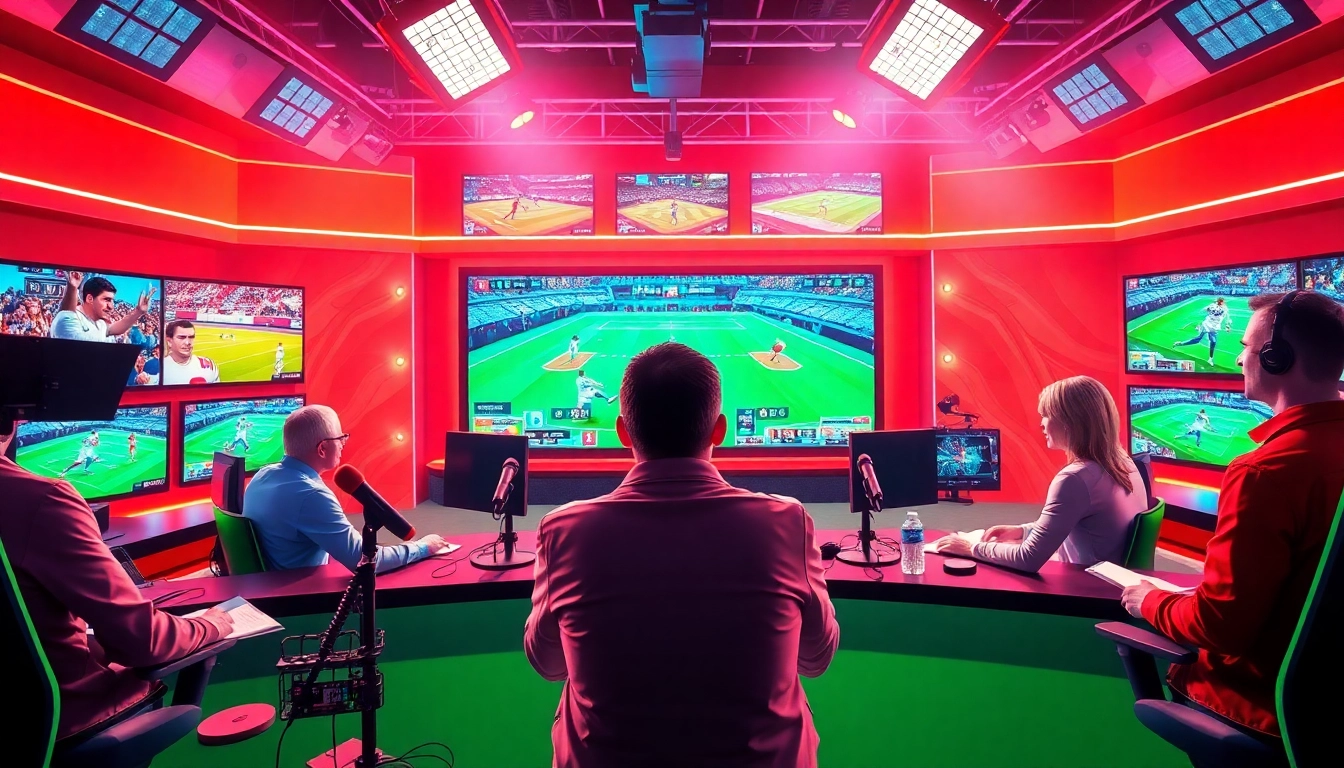
Commentators and analysts are the voices of sports broadcasting, providing essential context and insights during live games. Their ability to break down plays, discuss strategies, and share player statistics helps viewers deepen their understanding and appreciation of the sport. Charismatic and knowledgeable commentators can elevate a broadcast, creating an emotional connection with the audience. Skilled analysts add layers of complexity by exploring tactical elements and making predictions that enhance the viewer’s experience. Their rapport with fans can solidify loyalty and foster community among sports enthusiasts.
Audience Interaction and Engagement Strategies
Engaging an audience in sports broadcasting goes beyond just delivering content; it involves creating an interactive experience. Effective strategies include live polls, social media engagement, and behind-the-scenes content to keep viewers hooked. Networks utilize platforms like Twitter and Instagram to enable fans to participate in conversations about games and events, enhancing their connection to teams. Moreover, offering content such as player interviews, fan reactions, and expert analysis can significantly enhance audience loyalty and interaction.
Navigating the Challenges in Sports Broadcasting
Licensing and Legal Considerations
Licensing and legal issues pose significant challenges in sports broadcasting. Networks must navigate complex regulations regarding rights acquisition for live events. These rights can be extensive and expensive, often involving negotiations with leagues, teams, and other stakeholders. Additionally, compliance with broadcasting standards, advertising rules, and copyright laws is essential to mitigate legal risks. Being knowledgeable about these legal aspects helps networks to avoid costly legal battles and ensures smooth operation.
Competition from Online Streaming Services
The rise of online streaming services has disrupted the traditional sports broadcasting model. Platforms like Hulu, Amazon Prime Video, and others provide fans with flexible viewing options, often at lower costs compared to cable packages. This shift requires traditional broadcasters to adapt or risk losing audiences. To compete, broadcasters are increasingly offering streaming options on their platforms, developing exclusive content, and exploring partnerships to reach a broader audience. This competitive landscape pushes networks to innovate and improve their service offerings continually.
Balancing Commercial and Viewers’ Needs
Balancing commercial interests with viewer satisfaction is a continuous challenge. Networks rely heavily on advertising revenue, which can lead to excessive commercials that detract from the viewing experience. Finding the right balance is crucial; broadcasters must ensure that they generate revenue while still providing quality content that keeps audiences engaged. Strategies may include reduced commercial breaks during critical moments and enhanced audience targeting to provide better ad relevance without overwhelming viewers.
Best Practices for Successful Sports Broadcasting
Building a Strong Brand Identity
A strong brand identity is essential in the competitive landscape of sports broadcasting. Successful networks articulate a clear vision and mission that resonates with audiences. This positioning builds trust and loyalty among viewers. Branding elements like logos, taglines, and consistent messaging across platforms help create recognition. Furthermore, engaging storytelling that connects emotionally with fans enhances brand loyalty and supports long-term growth.
Utilizing Social Media for Enhanced Reach
Social media is an invaluable tool for expanding reach in sports broadcasting. Leveraging platforms such as Facebook, Twitter, and Instagram allows broadcasters to connect with fans instantaneously. Regular updates, live interactions, and exclusive content strengthen engagement and foster a sense of community among viewers. Additionally, collaborations with influencers and athletes can boost visibility and attract new audiences, especially younger demographics who primarily consume sports through social media channels.
Audience Feedback and Continuous Improvement
Incorporating audience feedback is pivotal for continuous improvement in sports broadcasting. Networks should actively solicit opinions from viewers regarding content, format, and overall experience to foster loyalty. Surveys, focus groups, and social media feedback can provide valuable insights. By analyzing this data, broadcasters can make informed adjustments to programming, ensuring they align with audience expectations. Emphasizing adaptability and responsiveness can lead to increased viewer satisfaction and retention.
Future Trends in Sports Broadcasting
The Rise of Virtual and Augmented Reality
Virtual and augmented reality technologies are set to transform the landscape of sports broadcasting. Providing immersive experiences enables fans to feel like they are part of the action, which could revolutionize how games are consumed. Innovations may include virtual stadium tours, augmented reality statistics during live broadcasts, and 360-degree views of events. As these technologies become more accessible, they are expected to significantly enhance fan experiences and increase engagement levels.
Innovations in Broadcast Techniques
Future sports broadcasting will likely see continued innovation in broadcast techniques. Techniques such as Artificial Intelligence for enhanced analytics, and data visualization for clarity during broadcasts, are becoming more prevalent. Developments in interactive broadcasting, where viewers can choose camera angles or switch commentators, will become more common, allowing personalized viewing experiences. These innovations will cater to diverse audience preferences, making broadcasts more appealing and tailored to individual tastes.
Predictions for Sports Broadcasting Industry Growth
Industry growth in sports broadcasting is anticipated to remain strong, driven by technological advancements and evolving viewer habits. The global sports broadcasting market is expected to expand as more sports leagues explore new media rights deals and partnerships. Investments in streaming technologies, virtual experiences, and data analytics will help networks stay competitive. Additionally, as global interest in sports continues to rise, broadcasters will need to adjust their strategies to enhance viewer engagement and capitalize on emerging opportunities.
FAQs about Sports Broadcasting
What is sports broadcasting?
Sports broadcasting refers to the transmission of live sports events via television, radio, or online platforms. It provides fans with access to games, commentary, and highlights.
How has technology changed sports broadcasting?
Technology has advanced sports broadcasting by improving visual quality, enhancing viewer interaction, and enabling live streaming on various devices, offering flexibility and convenience to audiences.
What are the main challenges faced by sports broadcasters?
Main challenges include navigating licensing issues, competition from streaming services, and balancing commercial interests with viewer satisfaction to retain audience loyalty.
How do broadcasters engage with their audiences?
Broadcasters engage audiences through social media, polls, interactive content, and behind-the-scenes access, which foster a community feel and enhance viewer experiences.
What is the future of sports broadcasting?
The future of sports broadcasting includes virtual and augmented reality experiences, innovative broadcasting techniques, and growth in digital streaming as audience preferences evolve.